Watching someone you love struggle with drug or alcohol addiction can be heartbreaking. You may recognize that they need help, but convincing them to seek treatment often feels overwhelming. Many families wonder what to say, when to bring up rehab, and how to encourage change without damaging the relationship.
The truth is that addiction affects the brain in ways that make it difficult for people to recognize the seriousness of their substance use. Even when the consequences are obvious to everyone around them, they may believe they can stop on their own or feel afraid of what treatment will involve.
Learning how to get someone to go to rehab starts with understanding addiction, approaching conversations with compassion, and knowing where to turn for professional help. At Georgia Sky Outpatient Detox, we help individuals and families throughout Atlanta, Acworth, Alpharetta, Lawrenceville, and surrounding Georgia communities begin recovery with medically supervised outpatient detox that allows clients to receive expert care while maintaining many of their daily responsibilities.
One of the biggest frustrations families experience is hearing a loved one insist they do not have a problem. While this can be difficult to understand, resistance is a common part of addiction.
Substance use disorders change how the brain processes rewards, decision-making, and self-awareness. As dependence develops, avoiding withdrawal or continuing to use often becomes the person’s primary focus. This makes it harder to objectively recognize how addiction is affecting their health, relationships, career, and overall well-being.
Someone who needs treatment may believe they still have everything under control, even when their life clearly tells a different story.
Common Reasons People Avoid Treatment
Every person’s situation is different, but many people delay rehab because they are afraid of what comes next. Common concerns include:
- Fear of withdrawal symptoms
- Worry about taking time away from work
- Concern about family responsibilities
- Financial stress
- Embarrassment or shame
- Fear of being judged
- Believing they can quit without professional help
- Not knowing what treatment actually involves
Many people picture rehab as months spent away from home. In reality, outpatient detox programs can provide medical supervision and therapeutic support while allowing individuals to continue living at home.
Understanding the Stigma Around Addiction
Stigma remains one of the greatest barriers to treatment. Unfortunately, many people still view addiction as a lack of willpower instead of a chronic medical condition.
These misconceptions can prevent someone from asking for help, even when they know they need it. They may worry about how employers, friends, or family members will react if they enter treatment.
Education can help replace fear with hope. Addiction is treatable, and millions of people successfully recover every year through evidence-based care.
Signs Someone May Need Professional Rehab
Sometimes the need for treatment develops gradually. Family members often recognize subtle changes before the individual does.
Some warning signs include:
- Bloodshot or glassy eyes
- Noticeable weight loss or weight gain
- Poor hygiene
- Frequent illness
- Changes in sleep habits
- Slurred speech
- Tremors or shaking
- Secretive behavior
- Missing work or school
- Financial problems
- Declining performance at work
- Increased isolation
- Mood swings
- Risk-taking behavior
- Frequent legal issues
Addiction also affects emotional health. You may notice:
- Increased anxiety
- Depression
- Irritability
- Loss of motivation
- Difficulty concentrating
- Loss of interest in hobbies
- Emotional withdrawal from family
These changes often become more noticeable as substance use progresses.
When Recreational Use Becomes Addiction
Not everyone who drinks alcohol or uses drugs develops a substance use disorder.
The difference lies in control.
Someone struggling with addiction continues using despite serious consequences. They may try repeatedly to stop but find themselves returning to substance use.
Other signs include:
- Needing larger amounts to achieve the same effect
- Experiencing withdrawal symptoms
- Spending significant time obtaining or using substances
- Neglecting responsibilities
- Continuing to use despite damaged relationships or health problems
When these patterns appear, professional treatment is often the safest option.
How to Talk to Someone About Rehab
Planning the conversation ahead of time can make it much more productive. Choose a time when your loved one is sober, calm, and not distracted. Avoid bringing up treatment during an argument or immediately after a crisis.
Before talking, gather information about treatment programs so you can answer basic questions if they arise.
Focus on Specific Examples
Instead of making broad accusations, discuss behaviors you have personally observed.
For example:
“I noticed you’ve missed work several times this month.”
“I’ve seen how exhausted you’ve been lately.”
“I’ve been worried because you’ve become more withdrawn.”
Specific observations are less likely to make someone defensive.
Practice Active Listening
Set Healthy Boundaries
Supporting someone through addiction does not mean protecting them from every consequence. Healthy boundaries help both the individual and the family.
Examples include refusing to provide money for substances, declining to make excuses for missed obligations, and encouraging personal responsibility while continuing to express love and support.
Boundaries should be consistent, respectful, and focused on protecting everyone’s well-being.
Should You Consider an Intervention?
Sometimes multiple conversations still do not lead to change. In these situations, a structured intervention may help. An intervention brings together close family members, trusted friends, and sometimes a professional interventionist to encourage someone to accept treatment.
When properly planned, interventions focus on compassion rather than confrontation. Each participant shares specific examples of how addiction has affected them while expressing hope that recovery is possible.
Professional interventionists help families stay focused, manage emotions, and prepare for different responses.
What If Your Loved One Refuses Rehab?
Unfortunately, not every conversation ends with someone agreeing to seek treatment. If your loved one refuses help, remember that recovery is often a process rather than a single decision. Continue expressing concern without enabling substance use.
Avoid giving money that may support addiction, covering up consequences, or making excuses for harmful behavior. Instead, remind your loved one that treatment is available whenever they are ready.
Many people eventually seek help after several supportive conversations. In the meantime, consider seeking support for yourself through counseling or family support groups. Caring for your own emotional well-being allows you to continue supporting your loved one in a healthy, sustainable way.
Finding the Right Rehab Program in Georgia
Once your loved one is open to treatment, choosing the right program is the next important step. Every person has different medical needs, responsibilities, and recovery goals, so there is no one-size-fits-all solution. The best program is one that provides the appropriate level of care while supporting long-term success.
For many adults, outpatient treatment offers an effective balance between clinical support and everyday life. It allows individuals to receive professional care while continuing to work, attend school, or care for their families.
Outpatient vs. Inpatient Rehab
Both outpatient and inpatient treatment can be effective, but they serve different needs.
Inpatient rehab provides 24-hour care in a residential setting. This level of treatment may be recommended for individuals with severe substance use disorders, unstable living situations, or complex medical or mental health conditions.
Outpatient treatment allows individuals to live at home while attending scheduled medical appointments, therapy sessions, and recovery programming throughout the week. This option works well for many people who need structured support without leaving their daily responsibilities behind.
A professional assessment can help determine which level of care is most appropriate based on the individual’s substance use history, withdrawal risk, and overall health.
The Benefits of Outpatient Medical Detox
Withdrawal can be one of the biggest reasons people avoid seeking treatment. Fear of uncomfortable symptoms often keeps individuals trapped in the cycle of addiction.
Medical detox provides professional supervision during the withdrawal process, helping manage symptoms safely while reducing the risk of complications.
At Georgia Sky Outpatient Detox, clients receive:
- Medical evaluations and ongoing monitoring
- Medication management when appropriate
- Individualized detox plans
- Counseling and behavioral support
- Recovery planning and referrals for continued treatment
This approach allows clients to begin recovery with confidence while remaining connected to their families, careers, and support systems.
Georgia Sky Outpatient Detox Locations Across Georgia
Georgia Sky Outpatient Detox makes professional addiction treatment accessible through multiple convenient locations across North Georgia.
Whether you live in a large metropolitan area or a nearby suburb, our goal is to provide compassionate, evidence-based care close to home.
Individuals searching for addiction treatment in Atlanta, Georgia, can access outpatient detox services designed to fit busy schedules. Whether balancing work, family, or other obligations, our Atlanta location provides medically supervised care that minimizes disruptions while helping clients safely begin recovery.
Residents of Acworth, Georgia, have access to flexible outpatient detox services that combine medical oversight with personalized treatment planning. Clients receive compassionate support from experienced professionals while maintaining many of their daily responsibilities.
For individuals and families in Alpharetta, Georgia, Georgia Sky offers comprehensive outpatient detox services focused on safety, comfort, and long-term recovery. Our evidence-based approach helps clients manage withdrawal while preparing for the next stage of treatment.
People seeking addiction treatment in Lawrenceville, Georgia, can benefit from medically supervised outpatient detox that emphasizes individualized care. Our clinical team works closely with every client to create a treatment plan that addresses both substance use and any co-occurring mental health concerns.
Having multiple locations throughout Georgia helps reduce barriers to care and makes it easier for families to stay involved during the recovery process.
Why Families Choose Georgia Sky
Choosing a treatment provider is an important decision. Families want to know their loved one will receive quality care in a supportive environment.
Georgia Sky Outpatient Detox focuses on treating the whole person, not just the addiction.
Our programs emphasize:
- Compassionate, judgment-free care
- Evidence-based medical treatment
- Individualized recovery planning
- Flexible outpatient scheduling
- Dual diagnosis support
- Therapy that addresses the underlying causes of addiction
- Continued care planning after detox
Recovery does not end after withdrawal. Detox is the beginning of a longer healing process, and our team works closely with every client to prepare for continued success through therapy, outpatient programming, and ongoing support.
Start the Admissions Process at Georgia Sky Outpatient Detox
If someone you love is struggling with drug or alcohol addiction, you do not have to navigate the situation alone. Georgia Sky Outpatient Detox provides compassionate, medically supervised care for individuals throughout Atlanta, Acworth, Alpharetta, Lawrenceville, and surrounding Georgia communities.
Our admissions team is available to answer your questions, explain treatment options, and help determine the appropriate level of care. Every conversation is confidential, and there is never any pressure or judgment.
Recovery begins with a single step. Contact Georgia Sky Outpatient Detox today to learn how our flexible outpatient programs can help your loved one begin building a healthier future.
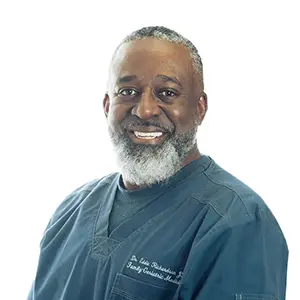
Dr. Eddie Richardson, Jr., MD, is a family physician with over 20 years of experience in outpatient, urgent care, and hospital medicine. He serves as a healthcare executive and medical director with extensive experience in behavioral health, addiction medicine, and integrated patient care. Dr. Richardson is passionate about expanding access to treatment and improving outcomes through compassionate, patient-centered care. He is also a former President of the Georgia Academy of Family Physicians and a past member of the American Academy of Family Physicians Board of Directors.