Deciding to seek treatment for drug or alcohol addiction is a major step toward a healthier future. One of the first questions many people ask is, how long does rehab take? The answer depends on several factors, including the severity of the addiction, the type of substance being used, your physical and mental health, and the level of care that best fits your needs.
There is no one-size-fits-all timeline for recovery. While treatment programs often follow standard lengths, every person’s journey is unique. Some individuals benefit from a shorter program followed by ongoing outpatient care, while others need a longer period of treatment to build a strong foundation for lasting recovery.
At Georgia Sky, we understand that life does not stop when you seek help. Our outpatient programs in Atlanta, Acworth, Alpharetta, and Lawrenceville allow clients to receive high-quality addiction treatment while continuing to manage many of their personal and professional responsibilities. Whether you are beginning detox or transitioning into ongoing therapy, our team works with you to develop a treatment plan that supports long-term success.
A 30-day rehab program is often the first level of structured Alcohol addiction treatment. This option may be appropriate for individuals with a shorter history of substance use or those who need a focused introduction to recovery.
A 60-day program provides additional time to address the underlying causes of addiction while strengthening healthy coping skills. By extending treatment, clients have more opportunities to practice new behaviors, process emotional challenges, and establish healthy routines.
For individuals with severe substance use disorders, multiple relapses, or co-occurring mental health conditions, a 90-day program may provide the greatest opportunity for long-term success.
Research consistently shows that longer engagement in treatment is associated with improved recovery outcomes. While every person’s needs are different, remaining in treatment long enough to build confidence and stability can significantly reduce the risk of relapse.
How Long Does Rehab Take at Georgia Sky?
Georgia Sky offers a different approach than traditional residential treatment. Rather than requiring clients to live at a facility for weeks or months, we provide structured outpatient care that allows individuals to recover while remaining connected to their daily lives.
Many clients complete our outpatient detox and stabilization program within 14 to 21 days. During this time, clients receive medical monitoring, therapeutic support, and individualized treatment while returning home each evening.
This model allows individuals to begin recovery without putting their careers, families, or other important responsibilities completely on hold. Clients benefit from daily clinical care while also learning to manage real-world situations that may trigger cravings or stress.
After completing the initial phase of treatment, many individuals continue their recovery through outpatient counseling, therapy, or other step-down services based on their individual needs.
Factors That Affect How Long Rehab Takes
Different substances produce different withdrawal symptoms and recovery timelines. For example, withdrawal from alcohol, opioids, and benzodiazepines often requires medical supervision because symptoms can become severe or even life-threatening. Other substances may involve less intense physical withdrawal but require ongoing behavioral treatment.
Someone who has used substances for several years will often require more intensive treatment than someone whose addiction developed recently. Long-term substance use changes brain chemistry and behavior, making recovery a gradual process that extends beyond physical detox.
Overall health also influences recovery. Chronic medical conditions, nutritional deficiencies, or complications related to substance use may require additional medical care before a person can fully participate in therapy.
Many individuals entering addiction treatment also experience anxiety, depression, post-traumatic stress disorder, bipolar disorder, or other mental health conditions. Treating both addiction and mental health together through dual diagnosis care often improves long-term outcomes but may extend the recommended length of treatment.
A strong support network can make a significant difference during recovery. Individuals with stable housing, supportive family members, and healthy relationships may be able to transition through treatment more quickly than someone returning to an unstable or high-risk environment.
Recovery is not measured by the calendar alone. Some clients meet treatment goals sooner than expected, while others benefit from spending additional time developing coping skills and building confidence before moving to the next stage of care.
The goal is never to complete treatment as quickly as possible. Instead, treatment should continue until you have developed the skills, stability, and support needed to maintain long-term recovery.
Types of Addiction Treatment Programs
Medical detox is typically the first step for individuals who have developed a physical dependence on drugs or alcohol. The goal is to safely manage withdrawal symptoms while the body clears substances from its system.
Detox usually lasts five to 10 days, although some people may require additional time depending on the substance used, the severity of withdrawal symptoms, and their overall health. During detox, medical professionals monitor vital signs, provide medications when appropriate, and help reduce discomfort while keeping clients as safe as possible.
Detox is an important beginning, but it is not a complete addiction treatment program. Once withdrawal symptoms are under control, most individuals benefit from continuing with therapy and structured treatment.
Inpatient rehab provides around-the-clock care in a residential setting. Clients live at the treatment facility while participating in individual therapy, group counseling, educational sessions, and wellness activities.
Residential treatment is often recommended for people with severe addiction, a history of relapse, unstable living conditions, or co-occurring mental health disorders. Programs commonly last 30, 60, or 90 days, although some individuals may benefit from longer stays.
The structured environment removes many of the distractions and triggers found in everyday life, allowing clients to focus fully on recovery.
Outpatient treatment offers greater flexibility while still providing structured clinical care. Clients attend scheduled therapy sessions throughout the week while continuing to live at home.
Programs may include individual counseling, group therapy, medication management, family therapy, and relapse prevention education. Depending on individual needs, outpatient care can last anywhere from several weeks to several months.
For many people, outpatient treatment makes recovery more accessible because it allows them to continue working, attending school, or caring for family while receiving professional support.
What Happens After Rehab?
Completing a treatment program is a major accomplishment, but recovery does not end when formal rehab is over. Addiction is a chronic condition that requires ongoing attention, and continuing care plays an important role in maintaining long-term sobriety.
Aftercare services help individuals transition from structured treatment back into everyday life while continuing to receive guidance and support. A personalized aftercare plan may include ongoing therapy, support groups, medication management, alumni programs, or sober living arrangements.
Many people continue meeting with a therapist weekly or attend recovery meetings regularly after completing rehab. These resources provide accountability, encouragement, and practical tools for navigating life’s challenges without returning to substance use.
Building healthy routines, maintaining supportive relationships, and staying connected to recovery communities can significantly reduce the risk of relapse.
How Long Does Medical Detox Take?
Medical detox is often the first phase of addiction treatment, but many people are unsure how long the process lasts. In most cases, detox takes between five and 10 days, although certain substances may require a longer period of monitoring.
Attempting to detox without medical supervision can be dangerous, especially when withdrawing from alcohol, opioids, or benzodiazepines. Professional care helps reduce health risks while providing a smoother transition into recovery.
Is Outpatient Detox Right for You?
Outpatient detox may be appropriate for individuals who:
- Have a safe and supportive home environment.
- Are experiencing mild to moderate withdrawal symptoms.
- Do not require around-the-clock medical supervision.
- Need to continue working or caring for family members.
- Want a more flexible treatment option.
At Georgia Sky, our outpatient detox program allows clients to receive expert medical care while sleeping in their own beds each night. Daily monitoring, therapy, and medical support help clients begin recovery without stepping away from every aspect of their daily lives.
Because each person’s situation is unique, our clinical team completes a thorough assessment before recommending outpatient treatment. If a higher level of care is necessary, we will help connect you with the appropriate services to ensure your safety and long-term success.
Rehab FAQs
The length of rehab varies based on individual needs. Common treatment programs last 30, 60, or 90 days, while outpatient treatment may continue for several months depending on progress and clinical recommendations.
Medical detox typically lasts between five and 10 days. The exact timeline depends on the substance used, withdrawal symptoms, and your overall health.
Many people can continue working while participating in outpatient treatment. Georgia Sky’s outpatient programs are designed to provide flexible scheduling while delivering comprehensive addiction care.
Most individuals continue with aftercare services such as therapy, support groups, medication management, or alumni programs. Continuing care helps strengthen recovery and reduce the risk of relapse.
For individuals who are medically appropriate candidates, outpatient treatment can be highly effective. Your treatment team will recommend the level of care that best matches your addiction severity, medical needs, and support system.
Start Your Recovery Journey at Georgia Sky
If you are asking yourself how long does rehab take, remember that the most important goal is not finishing treatment quickly. The goal is to receive the right level of care for your unique needs and build a strong foundation for lasting recovery.
At Georgia Sky, we provide compassionate, evidence-based outpatient addiction treatment designed to help individuals recover while maintaining many of their personal and professional responsibilities. Our experienced team works closely with every client to create an individualized treatment plan that supports both immediate recovery and long-term wellness.
Whether you need medical detox, outpatient treatment, or continued recovery support, we are here to help every step of the way. Contact Georgia Sky today to learn more about our programs and begin your journey toward a healthier, substance-free future.
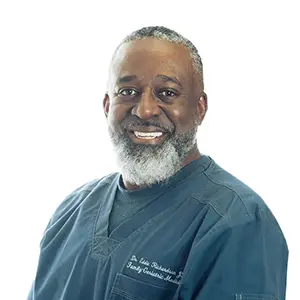
Dr. Eddie Richardson, Jr., MD, is a family physician with over 20 years of experience in outpatient, urgent care, and hospital medicine. He serves as a healthcare executive and medical director with extensive experience in behavioral health, addiction medicine, and integrated patient care. Dr. Richardson is passionate about expanding access to treatment and improving outcomes through compassionate, patient-centered care. He is also a former President of the Georgia Academy of Family Physicians and a past member of the American Academy of Family Physicians Board of Directors.